Avery Schröder · 27 October 2026
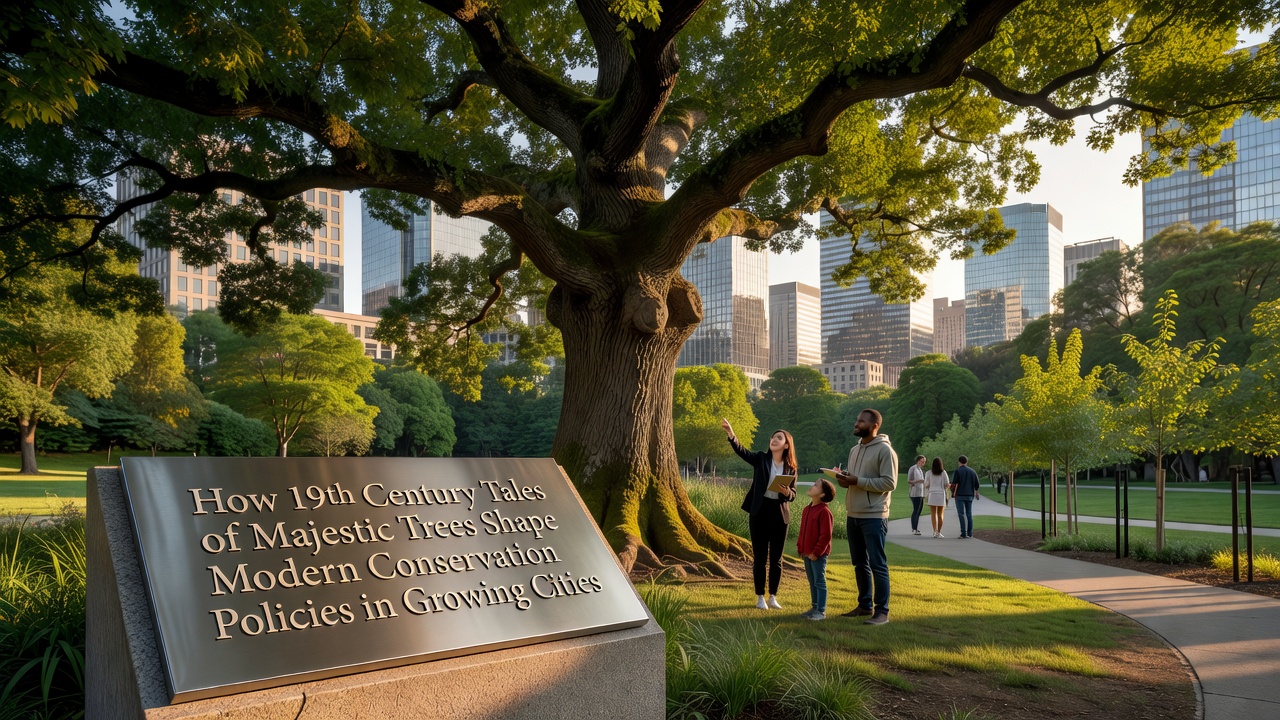
How 19th Century Tales of Majestic Trees Shape Modern Conservation Policies in Growing Cities
Stories from the 1800s often described enormous silver oaks and similar species as symbols of endurance in expanding settlements, and those narratives continue to influence how planners protect urban forests today. Historians note that accounts from early American and European writers highlighted the role of mature trees in providing shade and stability during rapid city growth, which later informed ordinances that prioritize canopy preservation over unchecked development. Data from urban forestry programs shows that cities referencing these historical perspectives have adopted stricter permitting processes for tree removal since the early 2000s.
Researchers at several universities have traced specific policy language back to 19th century descriptions of trees that survived industrialization, and this connection appears in guidelines that require developers to assess heritage trees before construction begins. In October 2026 multiple municipalities updated their green infrastructure plans to include references to those older accounts when evaluating new zoning proposals.
Early Narratives and Their Reach
Travelogues and regional literature from the mid-1800s frequently portrayed silver oaks as central figures in landscapes undergoing transformation, and these depictions encouraged civic groups to advocate for protected groves within city limits. Observers note that such tales emphasized the trees' ability to withstand drought and human activity, details that modern studies later quantified through growth ring analysis and soil surveys. Government records indicate that several North American cities incorporated similar protective language into their charters by the 1890s.
What's notable is how these accounts crossed oceans and shaped parallel efforts in Australia and parts of Europe, where planners began mapping old-growth specimens to prevent their loss during expansion. Academic papers from that period documented community campaigns that cited the stories as motivation for establishing the first municipal arboretums.
Policy Evolution in Contemporary Urban Settings
Current conservation frameworks in growing cities often cite 19th century observations when setting minimum canopy coverage targets, and this approach has led to measurable increases in protected acreage according to municipal reports. Planners integrate historical context into environmental impact assessments so that decisions about silver oaks and other long-lived species reflect documented endurance rather than short-term land use pressures.
One study released by Canadian forestry officials demonstrated that neighborhoods preserving trees referenced in older literature experienced lower urban heat island effects during summer months. European Union directives on biodiversity now encourage member states to review archival sources when drafting tree retention rules for metropolitan areas undergoing densification.

Figures from the U.S. Forest Service reveal that cities applying these layered references have seen regeneration rates for native species rise by measurable margins in the past decade. The approach avoids blanket prohibitions and instead requires case-by-case evaluations that weigh both ecological data and cultural significance drawn from earlier records.
Implementation Across Regions
Australian state agencies have incorporated references to 19th century explorer journals when updating urban forest strategies, and these updates now guide planting schedules that favor species with proven longevity in built environments. Local councils use the information to prioritize maintenance funding for trees whose stories appear in period accounts, which helps sustain public support for conservation budgets.
Research institutions in the United Kingdom have compiled databases linking historical descriptions to current GPS-mapped specimens, and city governments consult these resources during infrastructure projects. The process ensures that development plans account for root zones and canopy projections documented through both archival and contemporary measurements.
Conclusion
Archival tales of majestic trees continue to supply context for conservation rules that balance growth with preservation in expanding cities, and the pattern extends across multiple continents. Municipal data and academic reviews confirm that integrating these older perspectives produces policies grounded in documented resilience rather than reactive measures alone. As urban populations increase, the same historical sources provide consistent reference points for evaluating which specimens warrant long-term protection.