Henrik Reed · 29 September 2026
Silver Oak Tannins in the Evolution of Traditional Leather Dyeing Techniques
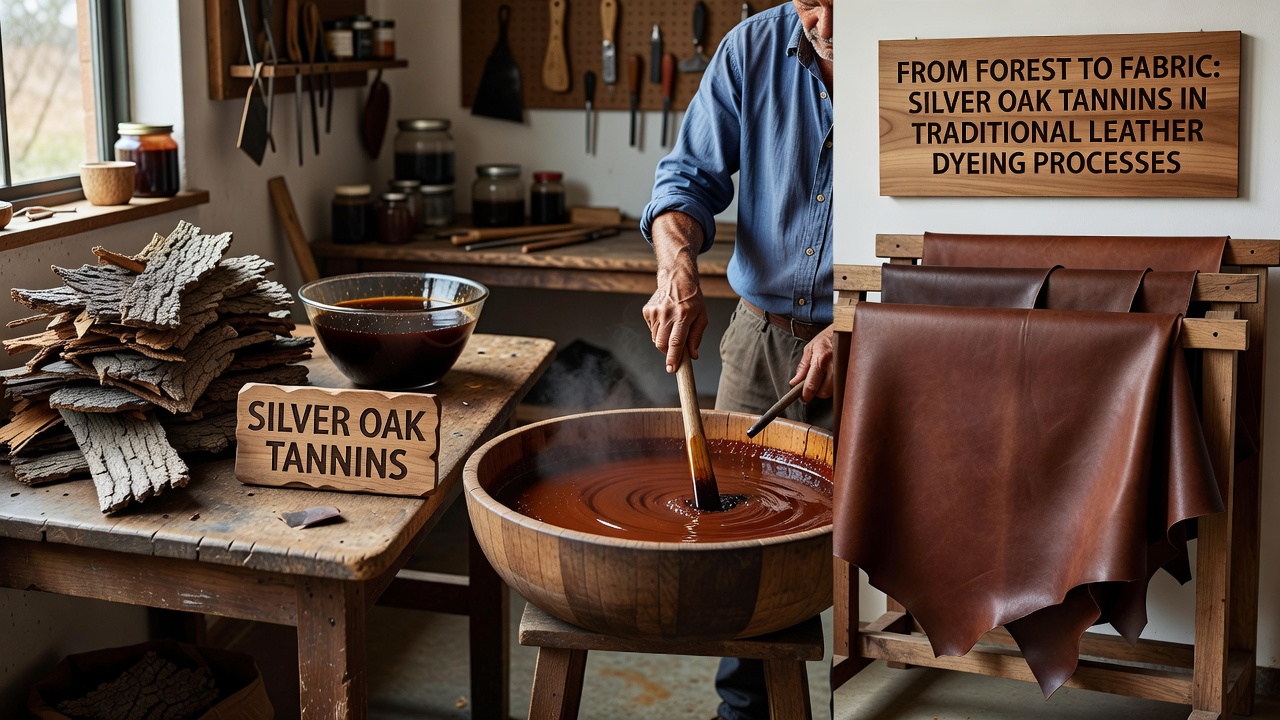
Traditional leather dyeing relies on plant-derived tannins to transform raw hides into durable, colored materials, and silver oak plays a central role in many regional practices that continue today. Workers harvest bark and leaves from silver oak trees during specific seasons, then process the material through grinding and soaking to release tannins that bind with proteins in animal skins. This method creates stable dyes while preserving the structural integrity of the leather, a process documented across multiple continents where oak species thrive in temperate zones.
Extraction Methods and Regional Practices
Harvesters collect silver oak materials by hand in managed woodlands, focusing on mature trees to maintain forest health while gathering sufficient quantities for commercial batches. The bark undergoes crushing followed by water-based extraction in large vats, where temperatures stay controlled between 60 and 80 degrees Celsius to maximize tannin yield without degrading the compounds. Research indicates that this approach produces extracts containing 15 to 25 percent tannins by weight, depending on tree age and soil conditions, according to forestry data compiled by regional agricultural departments in Australia.
Once extracted, the liquid concentrate moves to dyeing facilities where it mixes with hides in rotating drums for periods ranging from several days to weeks. The tannins penetrate the collagen fibers, forming cross-links that darken the material and increase resistance to water and microbial attack. In September 2026, a coordinated workshop series across multiple tanneries will demonstrate scaled-up versions of these steps using updated filtration equipment that reduces water consumption by approximately 30 percent compared with older setups.
Historical Development and Modern Applications
Evidence from archaeological sites shows vegetable tanning with oak tannins dates back several centuries in Europe and parts of Asia, where communities adapted local tree species to meet growing demand for footwear, armor, and bookbinding materials. Silver oak gained favor because its tannin profile produces consistent brown and reddish hues that resist fading under sunlight exposure, a property verified through accelerated aging tests conducted at university laboratories in Canada. Those studies measured color retention rates above 85 percent after 500 hours of simulated UV exposure when silver oak extracts were applied at standard concentrations.
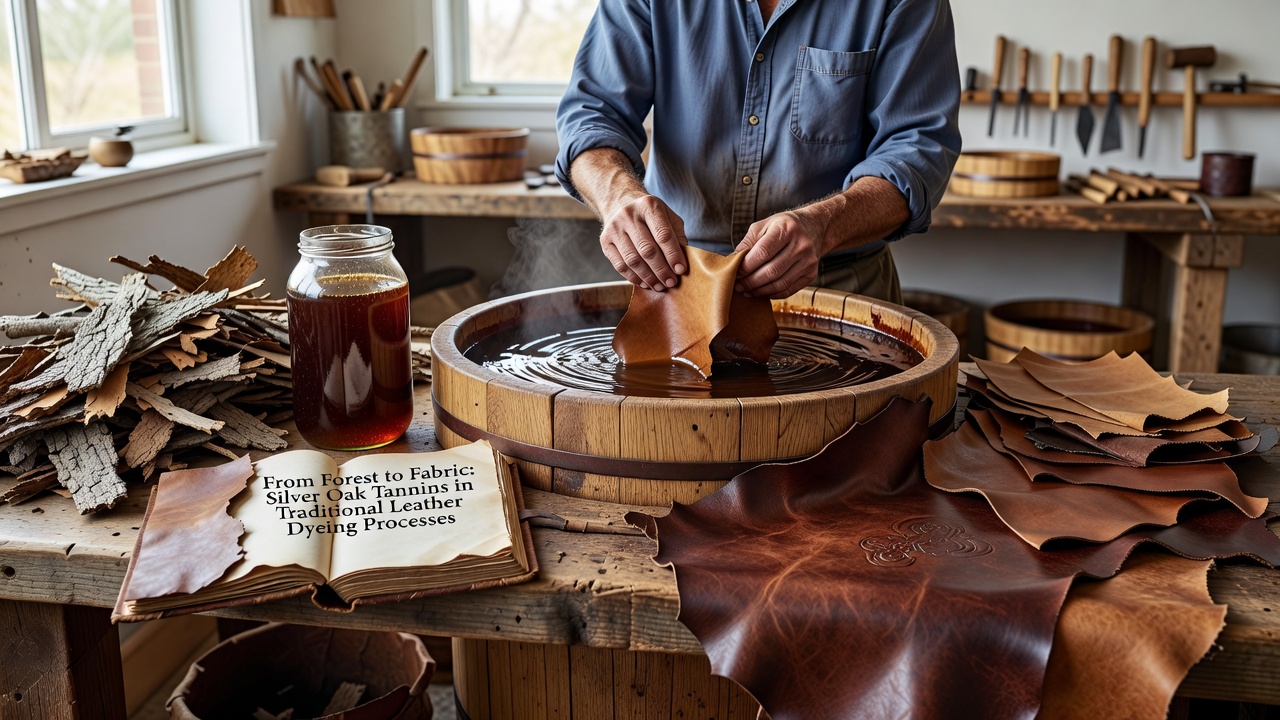
Contemporary manufacturers blend silver oak tannins with other plant sources to achieve specific shades or to adjust processing times, while regulatory bodies in the European Union track residue levels to ensure finished leather meets safety standards for consumer goods. Data from industry reports reveal that vegetable-tanned leather accounts for roughly 12 percent of global production, with silver oak contributing a measurable share in markets focused on natural dyes. Observers note that supply chains now incorporate traceability systems to verify sustainable harvesting, linking forest management plans directly to tannery inputs.
Environmental Considerations and Supply Chain Factors
Forest managers plant silver oak alongside other hardwoods to support biodiversity while ensuring steady tannin availability, a practice encouraged by guidelines from organizations such as the Food and Agriculture Organization of the United Nations. Extraction facilities recycle spent plant material as mulch or biofuel feedstock, reducing waste volumes that previously required disposal. Studies conducted by research institutions in South Africa have quantified that closed-loop systems cut overall energy use during tannin concentration by up to 22 percent when solar-assisted evaporation replaces conventional heating methods.
Leather producers source silver oak extracts through certified suppliers who maintain records of harvest locations and volumes, allowing downstream users to verify compliance with environmental regulations. This documentation helps stabilize pricing, since tannin content varies yearly based on rainfall patterns and tree growth rates recorded in long-term monitoring plots.
Conclusion
Silver oak tannins continue to support traditional leather dyeing through established extraction and application sequences that balance material performance with resource management. Ongoing refinements in processing equipment and supply verification maintain the viability of these methods for future production cycles.